



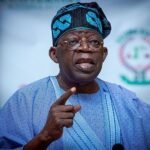
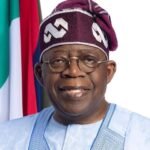


At a moment when public trust in law enforcement is fragile and insecurity persists across several regions, President Bola Tinubu has directed the withdrawal of police personnel assigned to VIPs. The aim is to refocus the overstretched force on public protection. The directive marks a significant attempt to restore capacity to frontline policing after years of manpower diversion.
Officers to be Redeployed to Combat Insecurity
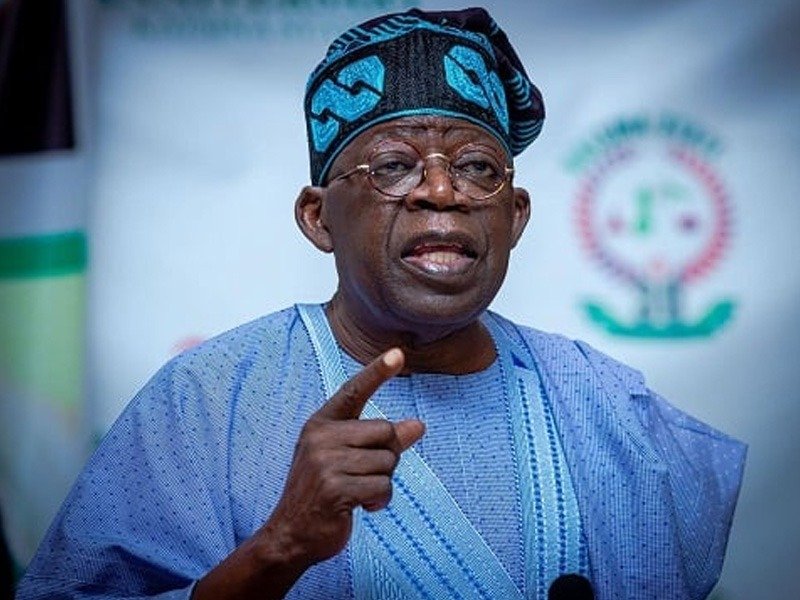
After a high-stakes security meeting on Sunday at the State House in Abuja, President Tinubu directed that police officers guarding Very Important Persons be pulled off those duties. They will now be deployed to “core policing roles” across the country. The decision was confirmed by his Special Adviser on Information and Strategy, Bayo Onanuga.
Under the new directive, VIPs who still require protection will no longer rely on the Nigeria Police Force. Instead, they are to request armed operatives from the Nigeria Security and Civil Defence Corps (NSCDC) to provide their security. The move is part of Tinubu’s strategy to reinvigorate community-level policing and close critical security gaps in Nigeria, especially in remote and underserved areas. In other news, iNaijanow shared a story on the Presidency denying claims of giving award to Aisha Yesufu.
Boost to Police Force Announced
Alongside the redeployment, President Tinubu approved the recruitment of 30,000 additional police officers to shore up manpower. The government also announced plans to modernize police training facilities in collaboration with states, aiming to raise both the quality and quantity of frontline officers.
This initiative comes amid rising criticism that too many serving officers are diverted to VIP protection, leaving ordinary Nigerians underprotected. According to reports, a significant number of police personnel are currently assigned to politicians and elite individuals at the expense of community policing.
The directive was issued during a security meeting that included top national security officials: the Chief of Army Staff Lt. Gen. Waidi Shaibu, the Chief of Air Staff Air Marshal Sunday Kelvin Aneke, Inspector-General of Police Kayode Egbetokun, and the Director-General of the Department of State Services (DSS), Tosin Ajayi.
The presidency stressed that police forces must be realigned to respond more effectively to the growing wave of banditry, kidnappings, and violent crime sweeping parts of Nigeria.
Analysts say the reform is crucial. Many rural communities have long struggled with weak police presence, even as VIPs enjoy hefty protection details. By reassigning officers from elite duty to frontline roles, the government hopes to restore trust in policing and fight crime where it matters most.
Local leaders in hard-hit states view the decision as a turning point. Communities previously calling for more police reinforcements now may finally see improved protection. Still, some critics warn of potential pitfalls. Reallocating so many officers en masse could temporarily weaken protection for VIPs, potentially exposing prominent figures to risk. Others question whether the NSCDC, which will now assume VIP protection duties, has the capacity to handle such responsibility.
Security analysts also caution that increasing recruitment must be matched with proper training. Simply expanding numbers without investment in competence could lead to undertrained officers being deployed into volatile environments.
For many Nigerians, Tinubu’s order feels symbolic, a break from entrenched privilege toward more equitable policing. It signals a willingness to restructure institutions for public good, not elite benefit. If implemented effectively, the decision could reshape Nigeria’s internal security landscape, shifting the narrative from VIP protection to people protection.