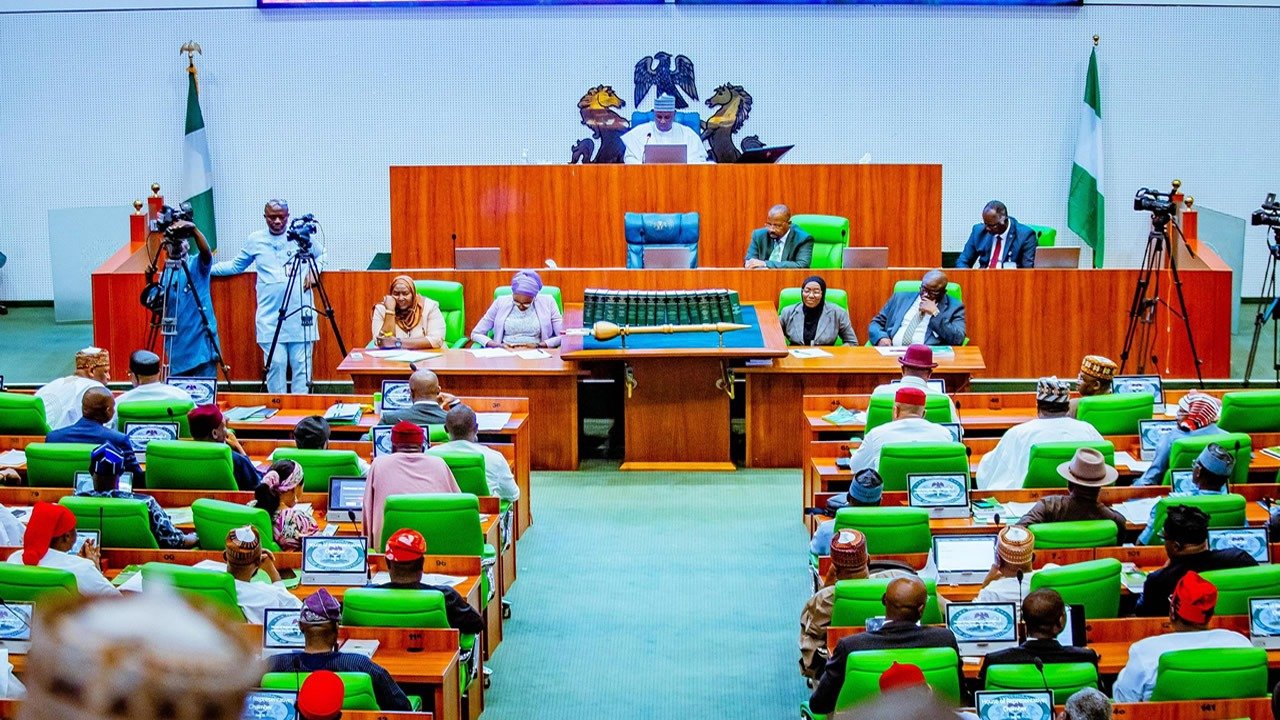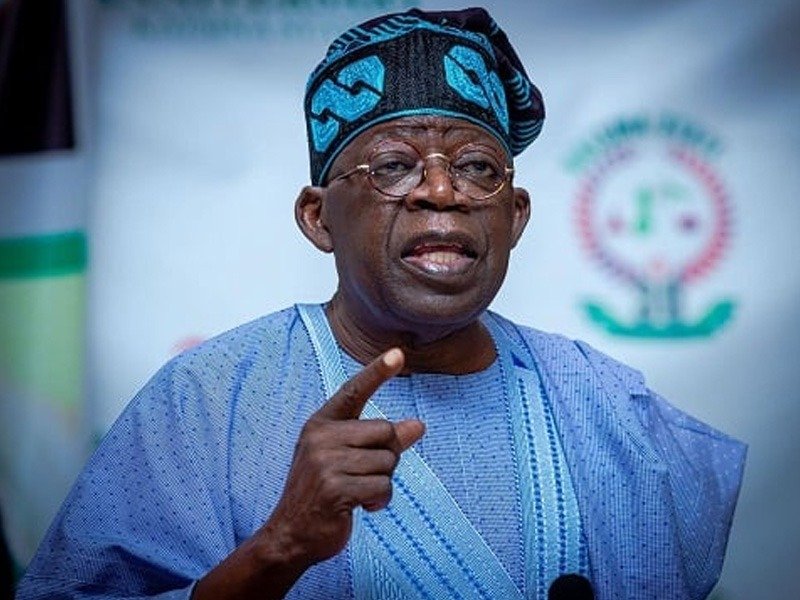







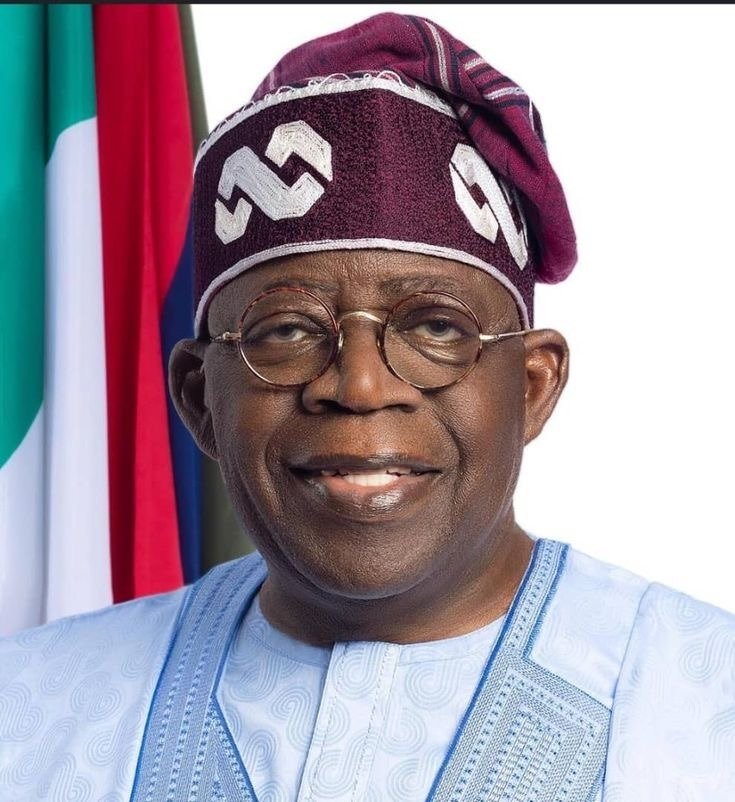
President Bola Ahmed Tinubu has stepped up his administration’s response to the growing wave of insecurity across Nigeria. In a bold move, the President declared a nationwide security emergency, signalling that the government is taking the threats of terrorism, banditry, kidnapping, and other violent crimes very seriously. As part of this emergency, Tinubu has ordered fresh recruitment into the Nigerian Police Force, the Army, and other critical security agencies, aiming to strengthen the country’s capacity to protect citizens and restore law and order.
Massive Recruitment Drive
The President’s directive includes the recruitment of 20,000 new police officers, raising the total planned intake to 50,000 personnel. The move comes as part of a broader strategy to increase the manpower of law enforcement agencies, ensuring they have the personnel needed to patrol high-risk areas, respond rapidly to attacks, and enforce the rule of law effectively.
In addition, the Nigerian Army has been instructed to recruit additional personnel to bolster its operational capabilities, especially in regions affected by terrorism and banditry. The Department of State Services (DSS) is also being empowered to deploy more operatives, including forest and community guards, to tackle threats in remote and vulnerable areas. The government has emphasised that the combined effort of these agencies will help restore security across states that have been hardest hit by violent crime.
Redeployment and Training
A notable aspect of Tinubu’s plan is the redeployment of existing security personnel. Police officers who have been assigned to VIP protection and private security duties are being recalled for intensive crash training. Once retrained, they will be redeployed to frontline security operations, particularly in zones with high crime rates. The goal is to make every available officer a proactive force against insecurity rather than a ceremonial presence.
Tinubu stressed the importance of strategic training and preparedness, saying, “Our citizens deserve safety, and we must act decisively to ensure that our security agencies are equipped, trained, and deployed where they are most needed.” The President believes that by focusing on personnel, deployment, and training, Nigeria can create a more responsive and efficient security apparatus.
A Broader Security Reform Agenda
The recruitment drive is part of a larger vision to reform Nigeria’s security architecture. Analysts note that while manpower is critical, effective security also depends on coordination, logistics, intelligence gathering, and community engagement. By combining fresh recruits with existing trained officers, the administration aims to improve rapid response capabilities and strengthen intelligence-led operations across the country.
The government’s approach also reflects a recognition of the complexity of Nigeria’s security challenges. Terrorist groups, kidnappers, and bandits have increasingly exploited gaps in manpower and coordination. By addressing these gaps through recruitment, training, and redeployment, the Tinubu administration hopes to send a clear message: insecurity will no longer be tolerated, and citizens’ safety is the top priority.
Implications for Nigerians
For ordinary citizens, the increased presence of trained security personnel could translate into more secure communities, quicker responses to incidents, and a renewed sense of confidence in the government’s ability to maintain law and order. However, experts caution that recruitment alone is not enough — sustainable results will depend on proper training, funding, logistics, and effective leadership within the security agencies.
The President’s pledge comes at a critical time, as Nigeria faces persistent security challenges in several states. While citizens remain hopeful, the success of the plan will be measured in months and years by the tangible reduction of crime and the restoration of public confidence.
Conclusion
President Tinubu’s declaration of a security emergency, combined with the massive recruitment drive for police and army personnel, marks one of the most significant steps taken by his administration to confront Nigeria’s insecurity. By increasing manpower, improving training, and redeploying personnel to critical areas, the government is signaling a proactive approach to a problem that has long challenged previous administrations.
As recruitment processes begin and security personnel are redeployed, all eyes will be on the effectiveness of these measures and whether they can bring lasting peace to communities across Nigeria. Citizens are watching closely, hoping that this renewed focus on security will finally translate into safer streets, towns, and cities for everyone.
If you enjoyed this article, click here to read more informative posts, also check us out on Instagram for fun and engaging content.
Disclaimer: The opinions, views, and information expressed in this article are those of the author and do not necessarily reflect the official policy, position, or views of iNaijanow. The company assumes no liability for any errors, omissions, or damages arising from the use of this information.