






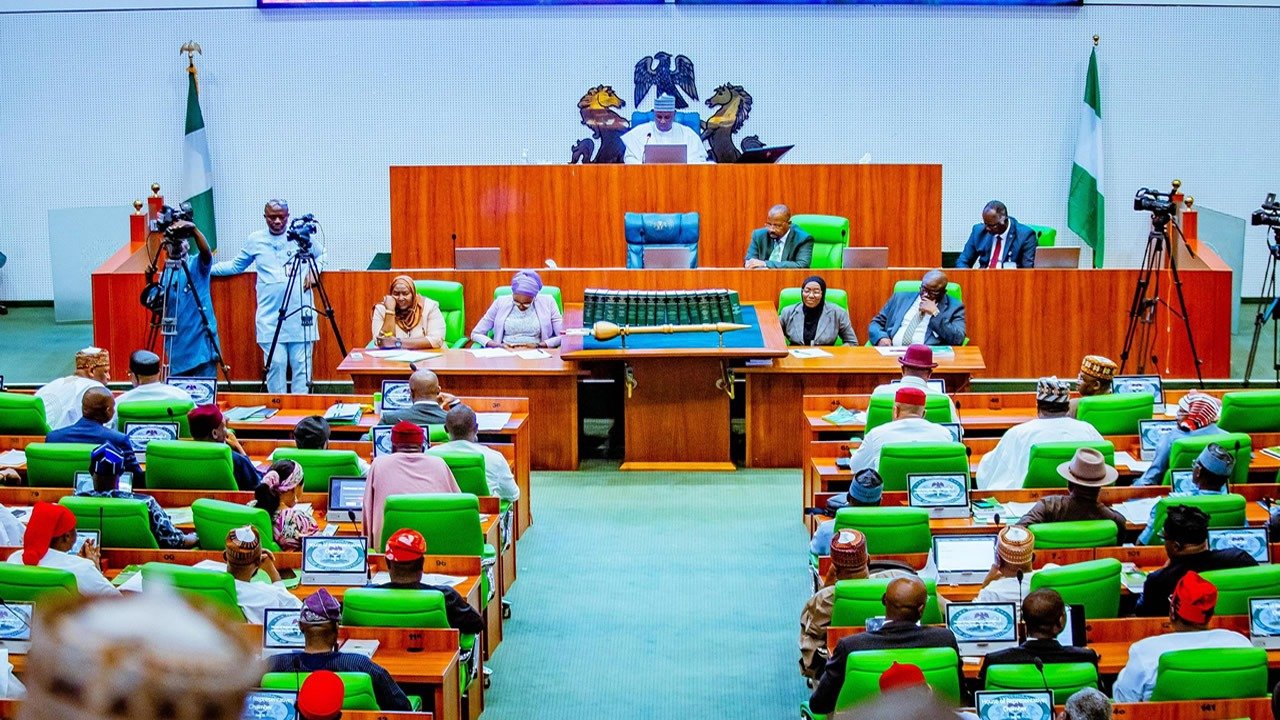
The House of Representatives has summoned the Minister of Finance, Mr. Wale Edun, and the Minister of Budget and National Planning, Senator Atiku Bagudu. They have been called upon to provide explanations to rising concerns over the poor implementation of the 2024 and 2025 federal budgets particularly the capital component.
The lawmakers met the two ministers in a closed-door executive session on Tuesday, alongside the Accountant-General of the Federation, Mr. Shamseldeen Ogunjimi, and the Executive Chairman of the Federal Inland Revenue Service (FIRS), Mr. Zacch Adedeji. The meeting lasted nearly two and a half hours and was marked by tension, frustration, and strong warnings from legislators.
Lawmakers Angry Over Unpaid Capital Projects
According to a lawmaker who attended the meeting, discussions centred on the government’s failure to release funds for capital projects that have already been completed under the 2024 and 2025 budget cycles. He explained that many contractors across the country had executed projects in good faith but were still owed months after completion, raising questions about fiscal discipline and budget credibility under the current administration. “Projects have been executed, yet contractors have not been paid. This is embarrassing and unacceptable,” the lawmaker said. “We have raised these concerns repeatedly, but nothing has changed.” In other news, iNaijanow shared a story of the house of rep successfully using its oversight power to move WAEC CBT implementation to 2030.
House Threatens to Block 2026 Budget
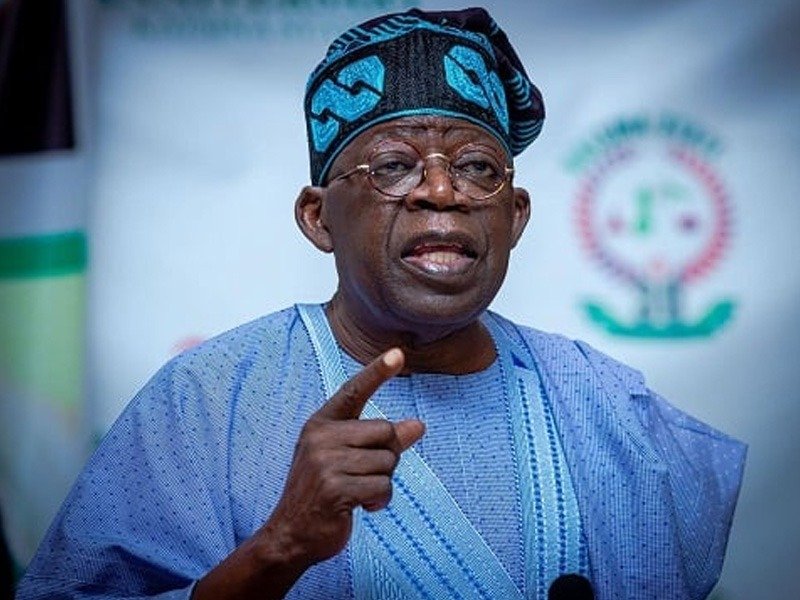
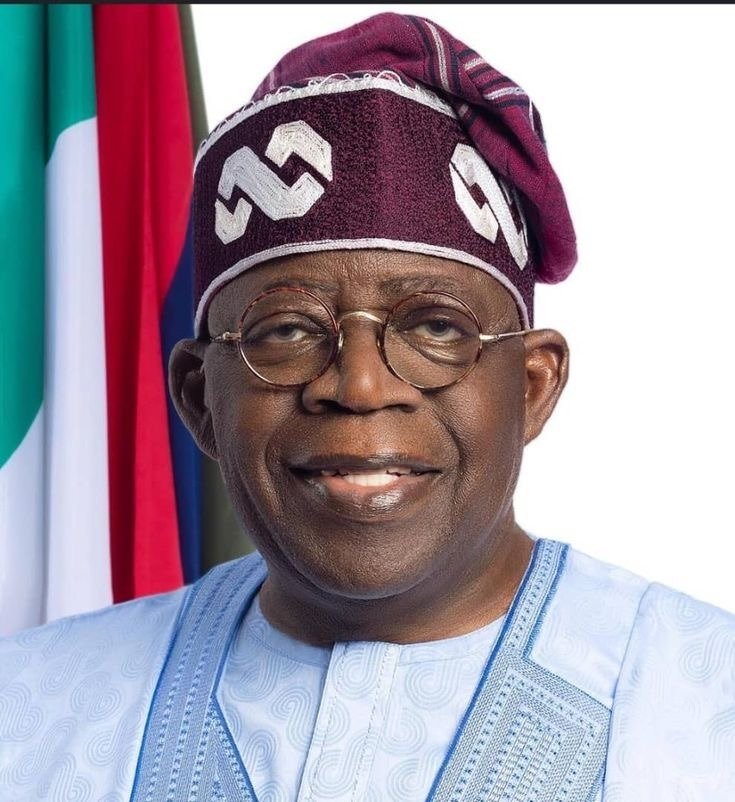
In protest, the House resolved not to consider the 2026 Appropriation Bill once it is transmitted by President Bola Tinubu unless the Federal Government clears outstanding obligations owed to contractors from previous budgets. To demonstrate the seriousness of its position, the House stepped down deliberation on about 42 legislative items, including bills at various stages of readings. It also deferred the presentation of four committee reports proposing the establishment of agricultural colleges and specialised institutions in states such as Kaduna and Edo. For the third time in a row, lawmakers also suspended consideration of the Constitution Review Committee’s report, originally submitted last week.
Accountant-General Appeals for Time
During the meeting, the Accountant-General reportedly appealed to lawmakers for 48 hours to begin addressing the backlog of payments, especially to local contractors. While the House granted the request, sources said optimism was low. “We granted the request because we represent the people, but many of us are not convinced anything will change,” a member said.
Contractors Under Financial Strain
Edo State lawmaker, Mr. Billy Osawaru, stressed that delayed payments were pushing many contractors into financial distress, noting that most relied on bank loans to execute federal projects. “These contractors used personal assets as collateral to deliver projects. Paying them is not a favour, it is an obligation,” he said. “The executive must restore its credibility.” Minority Leader of the House, Mr. Kingsley Chinda, also criticised the weak budget performance, insisting that full implementation was the only way to rebuild public trust. “If budgets are not fully implemented, confidence in governance erodes,” the Rivers lawmaker said.
House Spokesman, Mr. Akin Rotimi, acknowledged lawmakers’ displeasure but said engagement with the executive was ongoing. “Capital projects are essential for jobs, infrastructure, and economic growth. When funding delays occur, progress stalls,” he said. “We expect improved releases and will continue strong oversight.”
Former Chief Economist at Zenith Bank Plc, Mr. Marcel Okeke, blamed what he described as “budget distortions” on poor fiscal discipline, warning that the concurrent running of multiple budgets undermines economic planning and transparency. “A budget is a law meant to run within a defined timeframe,” he said. “When that framework is violated, it opens the door to corruption and inefficiency.” He cautioned that federal lapses inevitably affect state governments, which depend on federal assumptions for oil production and revenue projections.
If you enjoyed this article, click here to read more informative posts, also check us out on Instagram for fun and engaging content.
Disclaimer: The opinions, views, and information expressed in this article are those of the author and do not necessarily reflect the official policy, position, or views of iNaijanow. The company assumes no liability for any errors, omissions, or damages arising from the use of this information.